postersize ai
PosterSize is an AI-powered poster creation and sizing platform. Describe an idea, choose an art direction, select a canvas, and generate a polished poster in seconds.
Documentation
A few words. Endless posters.
From a gig to a grand opening. Describe your idea, find your style, and let AI bring your poster to life.
THE PRINT ROOMLayout sample
What will you put out into the world?
A launch, a late-night gig, a little shop around the corner. Find a starting point and make it yours.
16 posters
 01 / Arts & events2:3
A little after-hours energy
Bold typeUse this prompt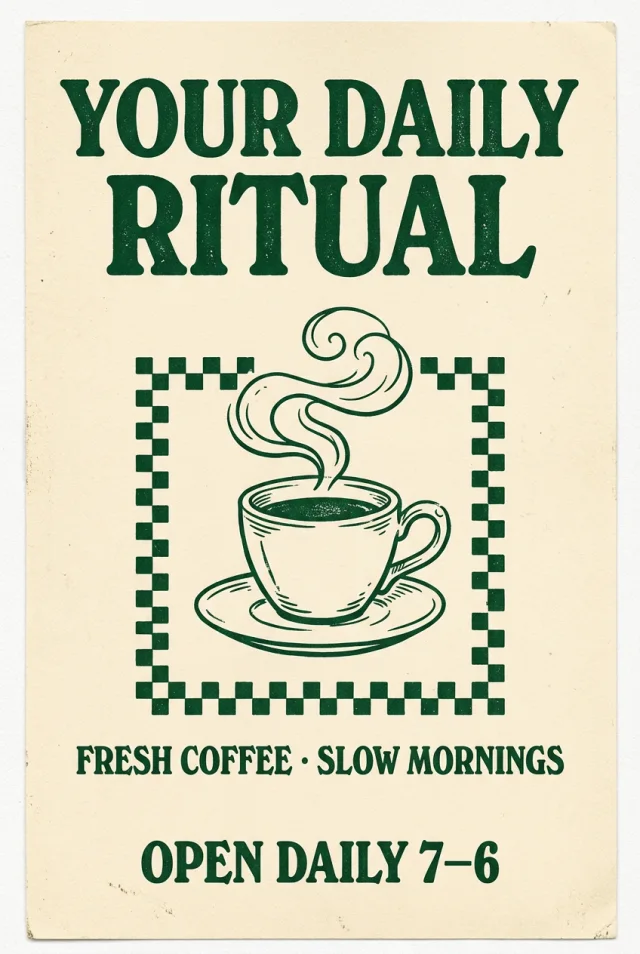 02 / Food & drink2:3
Your daily ritual
VintageUse this prompt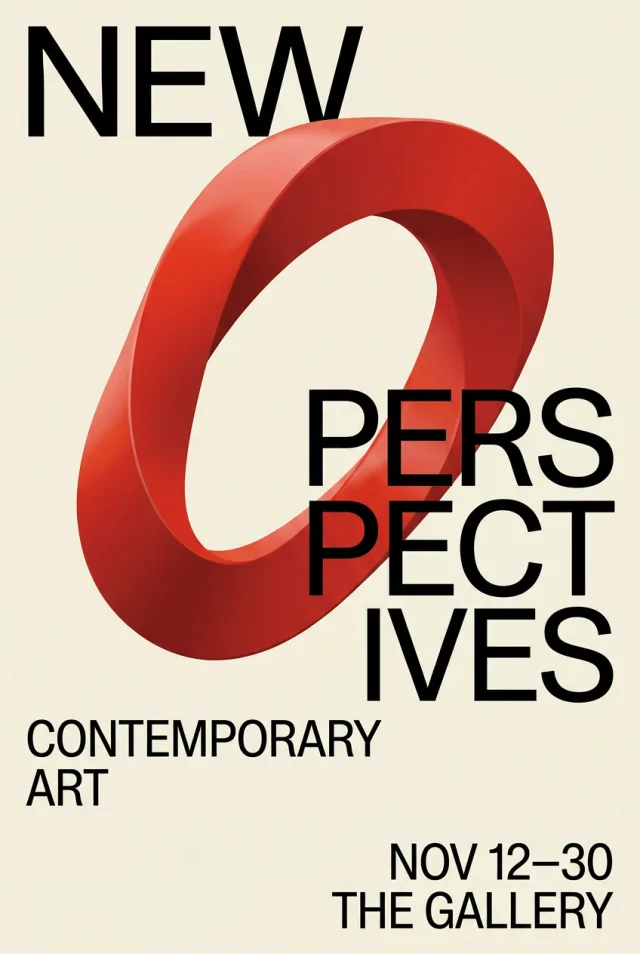 03 / Arts & events2:3
A different point of view
EditorialUse this prompt 04 / Brands & launches2:3
A softer kind of launch
MinimalUse this prompt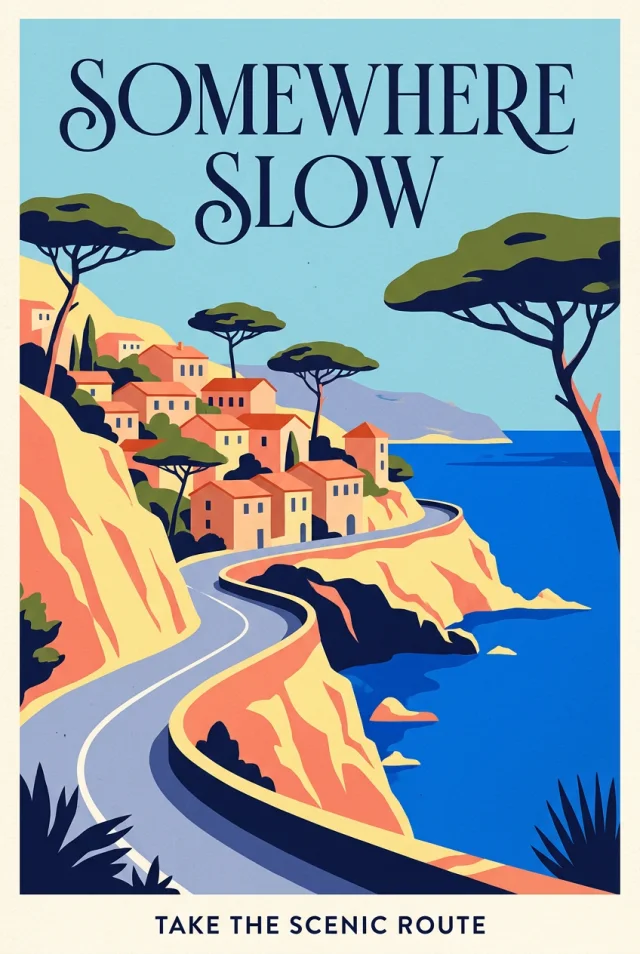 05 / Life & leisure2:3
Somewhere, a little slower
IllustrationUse this prompt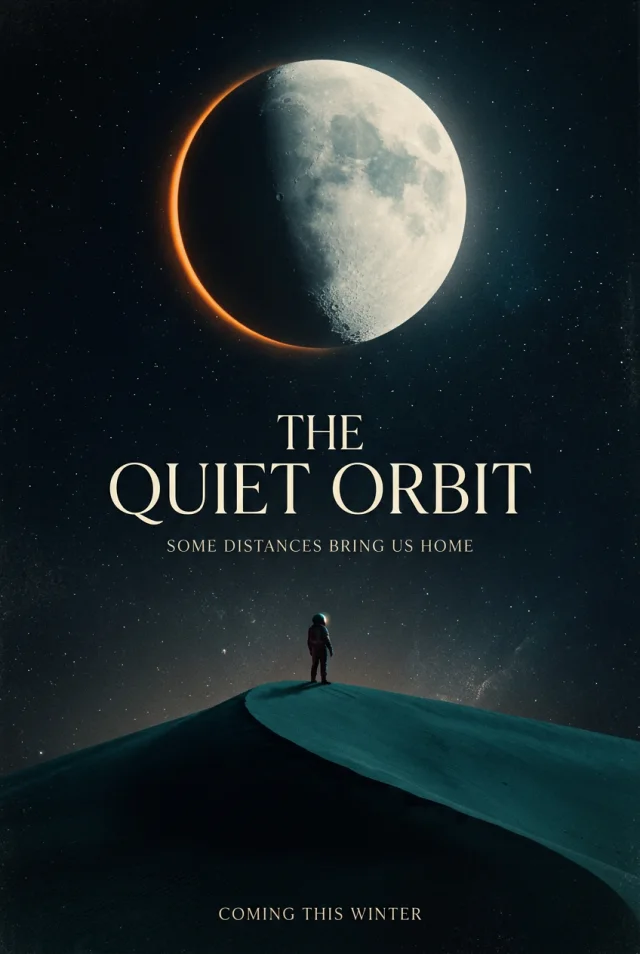 06 / Arts & events2:3
A story after the stars
CinematicUse this prompt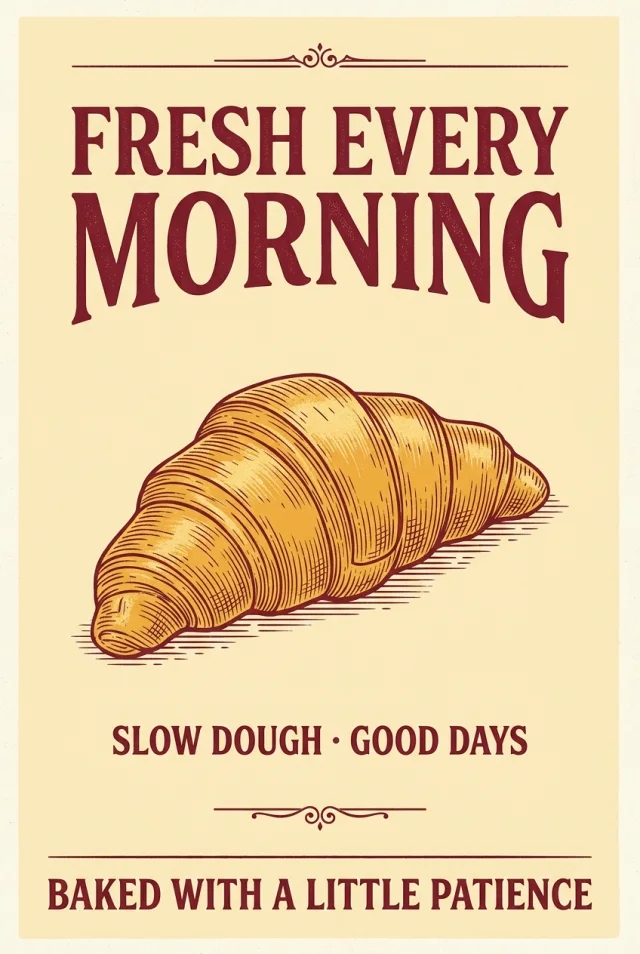 07 / Food & drink2:3
Fresh out of the oven
VintageUse this prompt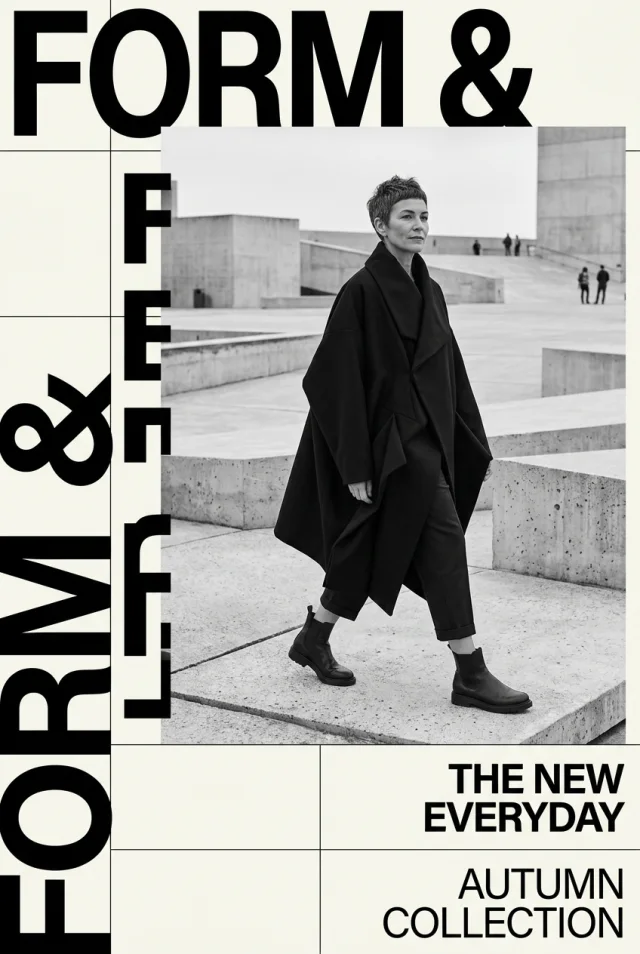 08 / Brands & launches2:3
Wear your own point of view
EditorialUse this prompt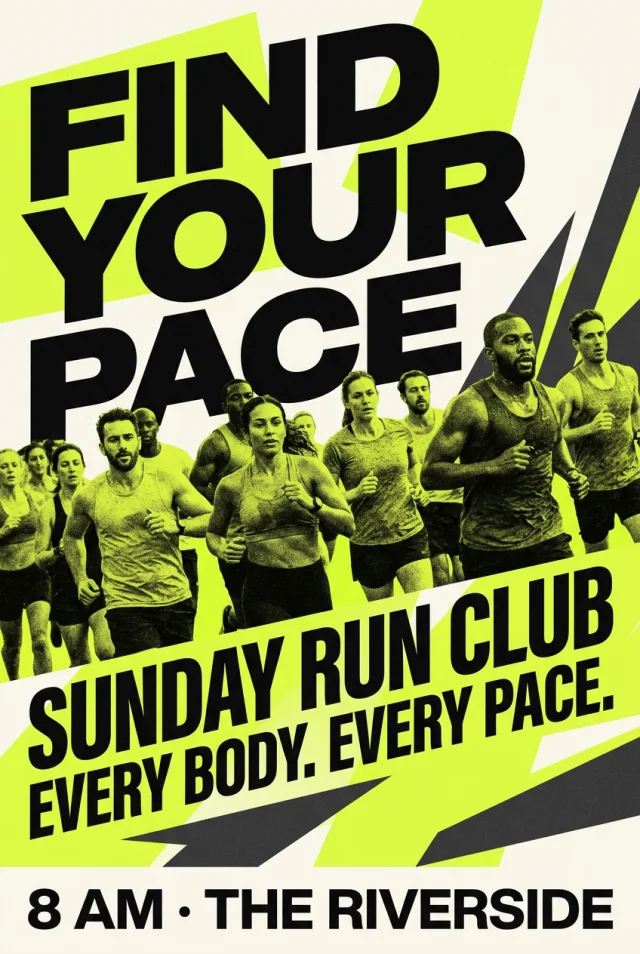 09 / Life & leisure2:3
Find your own pace
Bold typeUse this prompt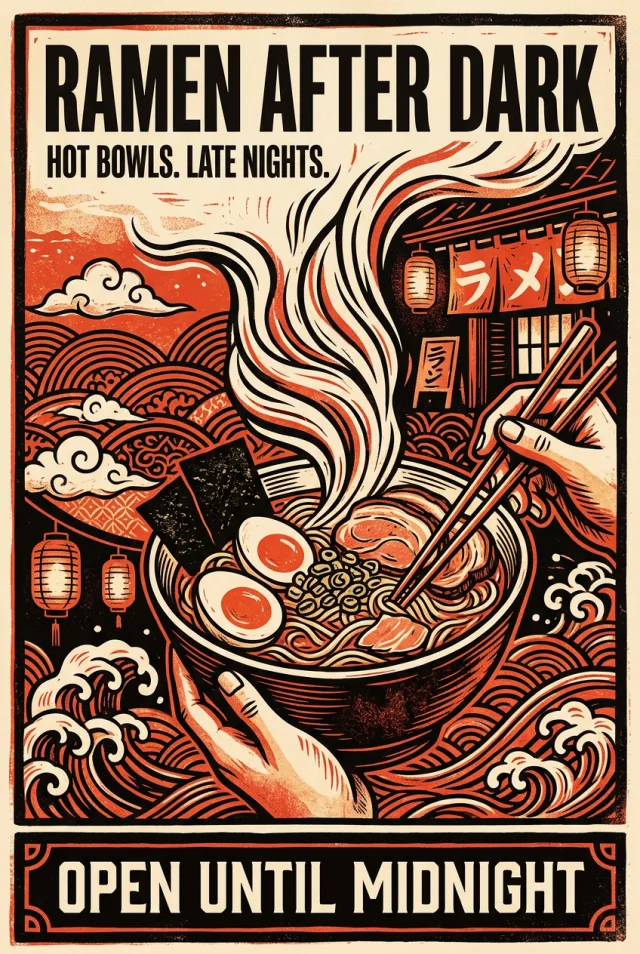 10 / Food & drink2:3
For the late-night appetite
IllustrationUse this prompt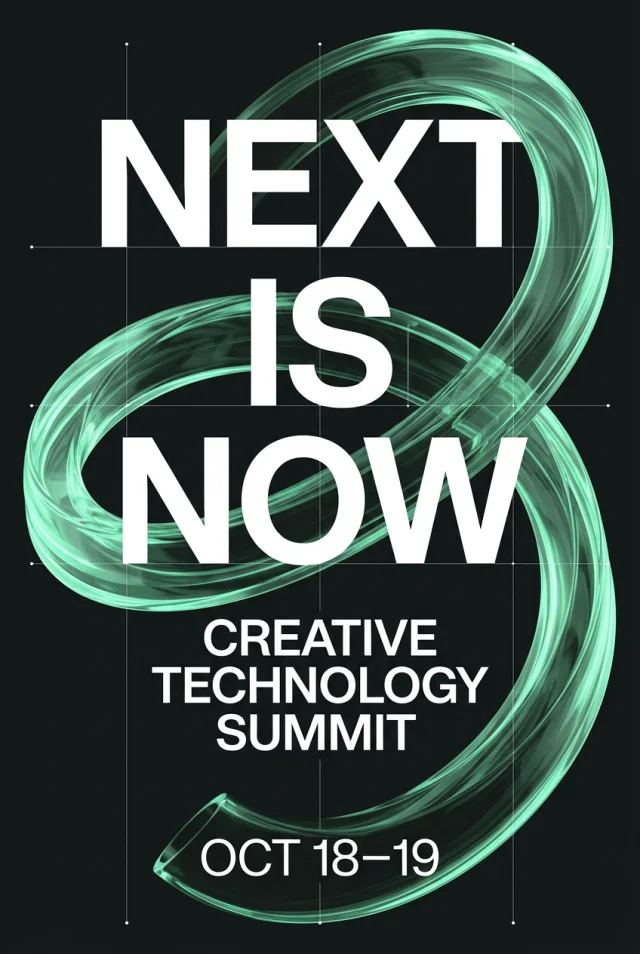 11 / Arts & events2:3
An invitation to what's next
Bold typeUse this prompt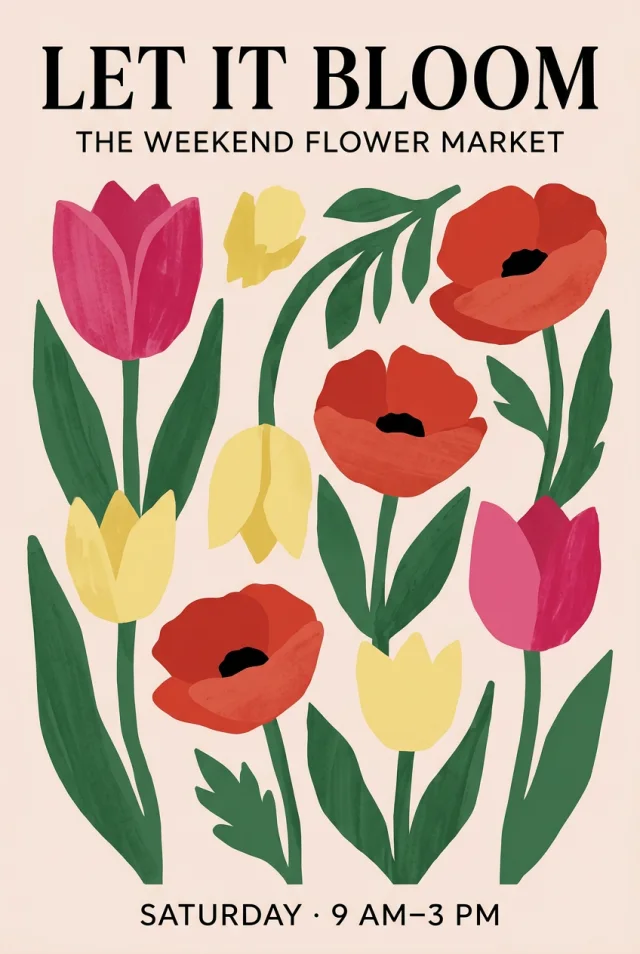 12 / Life & leisure2:3
Let a good idea bloom
IllustrationUse this prompt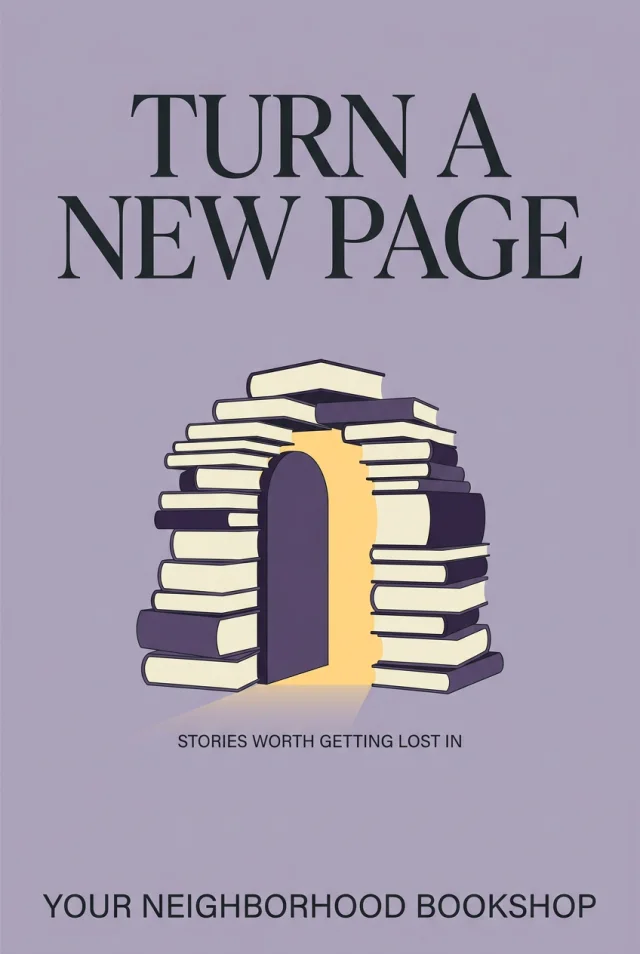 13 / Brands & launches2:3
One page, a new beginning
MinimalUse this prompt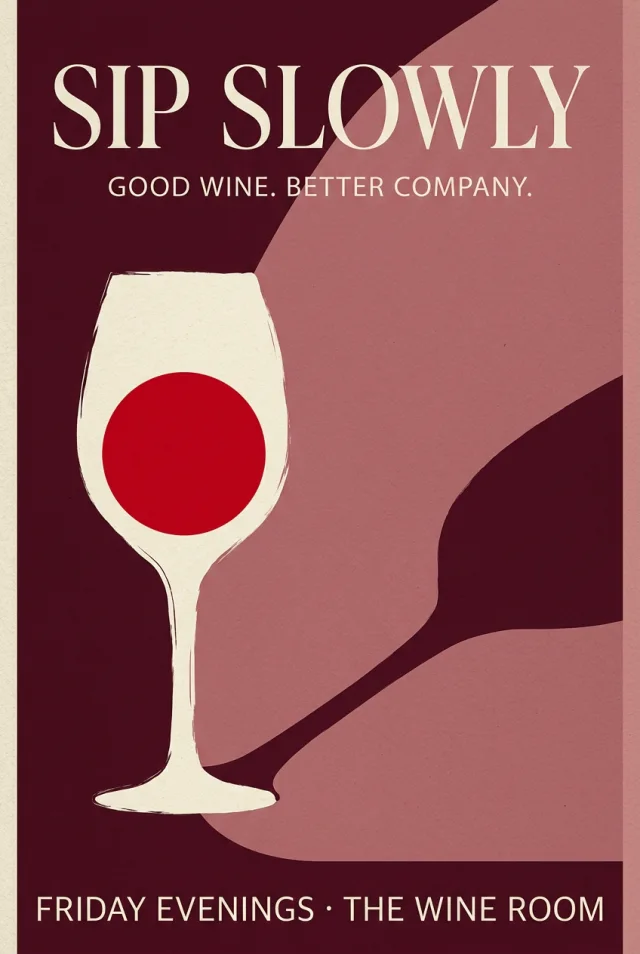 14 / Food & drink2:3
Make time for the good stuff
EditorialUse this prompt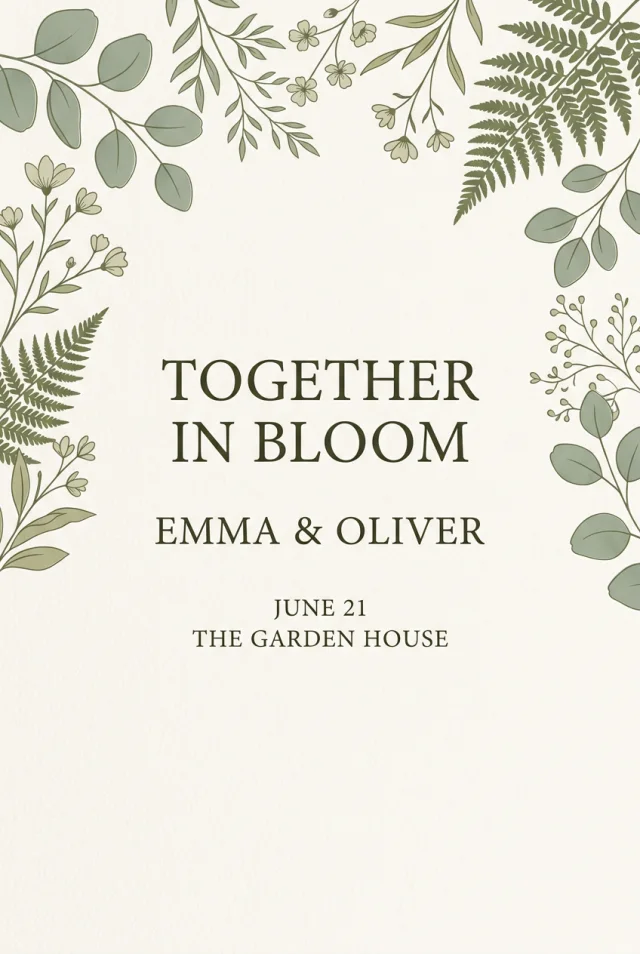 15 / Life & leisure2:3
An invitation to your day
MinimalUse this prompt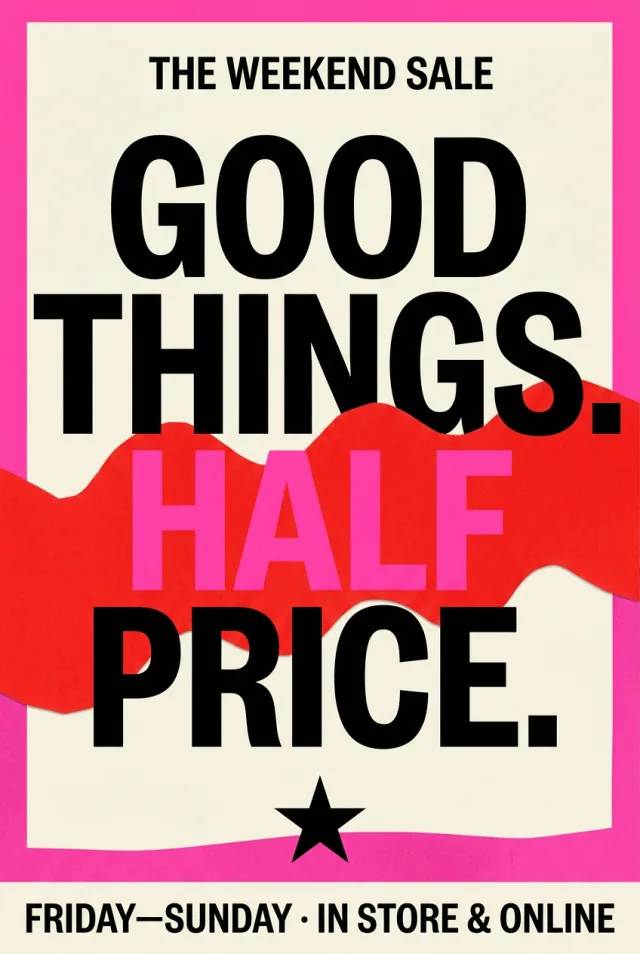 16 / Brands & launches2:3
A sale with something to say
Bold typeUse this prompt
Made with Nano Banana 2. Every poster starts with a few words.
Poster credits, one payment.
One-time packs only. No subscription and no registration required. Pay first, then your poster starts generating.
One-time pack
$5
325 credits
About 8 standard posters
Recommended
One-time pack
$15
1020 credits
About 25 standard posters
One-time pack
$39
2652 credits
About 66 standard posters
Credits per poster 1K 40 credits / poster 2K 56 credits / poster 4K 80 credits / poster
Credits are charged after your poster job is submitted. Failed jobs are refunded automatically.
Poster size formats at a glance
Search standard poster sizes by name, region, or use case, then save the formats you reach for most.
31 formats
A4 1:1.41
A4
210 × 297 mm
A3 1:1.41
A3
297 × 420 mm
A2 1:1.41
A2
420 × 594 mm
A1 1:1.41
A1
594 × 841 mm
A0 1:1.41
A0
841 × 1189 mm
A5 1:1.42
A5
148 × 210 mm
A6 1:1.41
A6
105 × 148 mm
B2 1:1.41
B2
500 × 707 mm
B1 1:1.41
B1
707 × 1000 mm
16 × 20 in 4:5
16 × 20 in
16 × 20 in
18 × 24 in 3:4
18 × 24 in
18 × 24 in
US Letter 8.5:11
US Letter
216 × 279 mm
US Legal 8.5:14
US Legal
216 × 356 mm
US Tabloid 11:17
US Tabloid
11 × 17 in
US Ledger 17:11
US Ledger
17 × 11 in
11 × 14 in 11:14
11 × 14 in
11 × 14 in
12 × 18 in 2:3
12 × 18 in
12 × 18 in
20 × 30 in 2:3
20 × 30 in
20 × 30 in
22 × 28 in 11:14
22 × 28 in
22 × 28 in
Postcard 4 × 6 in 2:3
Postcard 4 × 6 in
4 × 6 in
24 × 36 in 2:3
24 × 36 in
24 × 36 in
Business card 7:4
Business card
89 × 51 mm
Rack card 7:17
Rack card
89 × 216 mm
Square flyer 5 × 5 in 1:1
Square flyer 5 × 5 in
5 × 5 in
36 × 48 in 3:4
36 × 48 in
36 × 48 in
Movie one-sheet 2:3
Movie one-sheet
27 × 40 in
social
Instagram post 1:1
Instagram post
1080 × 1080 px
social
Instagram story 9:16
Instagram story
1080 × 1920 px
social
LinkedIn post 1.91:1
LinkedIn post
1200 × 627 px
presentation
Presentation 16:9 16:9
Presentation 16:9
1920 × 1080 px
presentation
Presentation 4:3 4:3
Presentation 4:3
1600 × 1200 px
Good dimensions remove guesswork.
BLEED
Leave room for bleed
For print, add the bleed your printer requests before exporting. Keep important text inside the safe area.
UNITS
Pixels are not inches
Digital formats describe a pixel canvas. Physical formats describe a finished sheet. Choose the unit that matches the job.
RATIO
Start with the ratio
When the final size is flexible, match the shape first. A good ratio keeps the composition intact as the canvas grows.
The canvas sets the conversation.
Poster size is more than a number on a specification sheet. It controls how quickly a message can be understood, how far away it can be read, and how much breathing room the design has. Start with the viewing distance and the job the poster must do, then choose dimensions that make the important information feel inevitable instead of crowded.
For printed posters, choose the finished size first. A4 and A3 work well for notices, menus, and small handouts; A2 and A1 create a stronger wall presence; 18 × 24 inches and 24 × 36 inches are familiar choices for art prints, events, and retail windows. Always ask the printer about bleed, trim, paper stock, and the safe area before the final export. A few millimetres of extra artwork beyond the trim line can prevent a white edge.
For digital poster size, think in pixels and aspect ratios. A social post may be square, portrait, or tall enough for a story; a presentation slide usually follows 16:9; a screen graphic can be flexible, but it still needs a clear hierarchy at the smallest display size. Work at the platform's recommended dimensions, keep type large enough for a phone, and export a crisp PNG or JPG at the right colour profile. If one design will travel across channels, build the ratio first and adapt the layout second.
Before you export, read the smallest text at the size it will actually be viewed. Check the headline from a distance, confirm that edge elements have enough breathing room, make sure contrast survives the chosen paper or screen, and keep a version with editable text. A reliable poster size process is less about finding one perfect measurement and more about making the final result predictable.
Choose a canvas without second-guessing.
The best poster size usually appears after four small decisions. Make them in order and the format becomes a useful constraint, not a creative roadblock.
01
Name the viewing distance
A poster read from across a room needs fewer words, larger type, and more contrast than a sheet held in the hand. Estimate where the viewer will stand before opening your design file.
02
Choose the job
A sale sign, exhibition print, event poster, menu, and classroom notice may share a name, but they do not share the same information density. Let the purpose decide how much surface area you need.
03
Match the ratio
Portrait formats feel natural for walls and editorial layouts. Landscape formats suit screens and wide spaces. Square formats are flexible for feeds. Lock the shape early so the composition does not drift during revisions.
04
Leave room to finish
Reserve space for trim, bleed, captions, logos, and the quiet margin around the headline. A little unused paper is cheaper than a crowded design or a last-minute rebuild.
One reference, several kinds of work.
Poster size changes with context. These starting points help you move from a vague brief to a canvas that already understands the job.
Printed posters
Choose a physical size that fits the wall, frame, or handout stack. A2 and A1 give an event or campaign room to breathe, while A4 and A3 are easier to distribute. Check the printer's trim and bleed requirements before placing type near an edge.
SOCIAL
Social graphics
Digital poster size is often a crop problem. Start with the platform's native ratio, keep the message inside a comfortable safe zone, and test the design at phone scale. If you need several placements, build a master composition with a clear centre of gravity.
SLIDES
Presentations
A 16:9 canvas gives a presentation poster the width it needs, but width alone does not create clarity. Use a strong reading order, fewer competing elements, and enough contrast for the back row of the room.
SIGNAGE
Signs and displays
For retail windows, studio walls, and directional signs, distance is the first measurement. Keep the headline short, make the key action obvious, and use the available surface as a visual pause rather than filling every corner.
Poster size questions, answered.
What is the best poster size?
There is no universal best poster size. Choose based on viewing distance, available space, and the amount of information. A2 or A1 is a strong starting point for a wall poster, while A4 or A3 is practical for notices and handouts. For digital work, start from the destination platform's pixel dimensions and ratio.
Should a poster be portrait or landscape?
Portrait is a natural choice for walls, people, and editorial reading. Landscape works well for slides, wide windows, and compositions that need horizontal movement. When the placement is uncertain, sketch both orientations with only the headline and one supporting line before committing.
How much bleed should I add for print?
Bleed depends on the printer and the finishing process, so use their specification first. A common starting point is 3 mm on each edge, with important text and logos kept inside a safe margin. Bleed extends the background or artwork; it should not move the content closer to the trim.
What resolution is best for a printed poster?
Work at the final physical size and use the printer's preferred colour profile. Around 300 PPI is a useful target for close-viewed pieces, while large posters viewed from a distance can often use less. The correct poster size, sharp type, and clean vector marks matter more than chasing one number.
Can I reuse the same poster design for social media?
Reuse the idea, not always the exact canvas. A print poster may have a tall ratio and generous margins, while a social placement may crop the edges or require a square. Keep the hierarchy and visual language, then rebuild the spacing for each destination so the message remains legible.