nano-banana-mcp
A Model Context Protocol server for AI image generation and editing with Google's Gemini "Nano Banana" image models, via the Interactions API. Generate, edit, and iterate on images directly from Claude Code, Claude Desktop, Cursor, or any MCP-compatible client — with multi-turn editing, search grounding, interleaved storyboards, style-consistent icon sets, and image-from-video.
Documentation
nano-banana-mcp


A Model Context Protocol server for AI image generation and editing with Google's Gemini "Nano Banana" image models, via the Interactions API.
Generate, edit, and iterate on images directly from Claude Code, Claude Desktop, Cursor, or any MCP-compatible client — with multi-turn editing, search grounding, interleaved storyboards, style-consistent icon sets, and image-from-video.

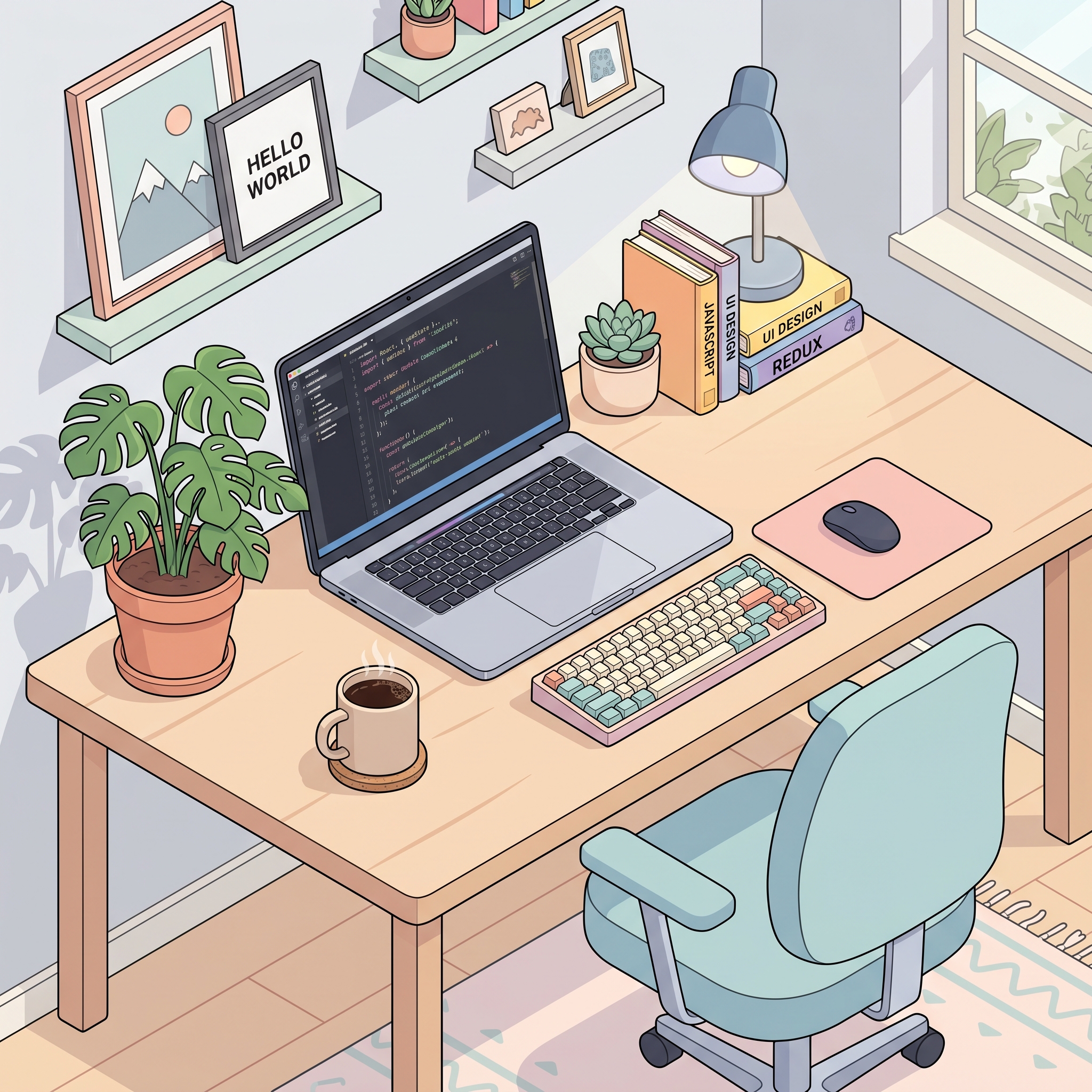

All generated by this server — a photoreal product shot, an isometric illustration with legible text, and a vector sticker. No edits.
Note: This server uses the Gemini Interactions API, which is currently in beta. The Gemini 3 image models (
gemini-3-pro-image,gemini-3.1-flash-image) may require access on your API key. Thenanotier (gemini-2.5-flash-image) is the most widely available. See Requirements.
Features
- Text-to-image — high-quality images from a prompt, up to 4K, with aspect-ratio and resolution control
- Multi-turn editing — iterate conversationally; each result returns an
interaction_idyou pass back to keep editing - Reference images — up to 14 inputs for virtual try-on, product placement, compositing, style transfer, photo restoration, attribute replacement, 2D→3D mockups
- Search grounding — ground images in real-time data (weather, news, scores) with Google Search and Google Image Search
- Interleaved stories — one prompt → a sequence of captioned images (storyboards, comics, recipes, illustrated explainers)
- Style-consistent icon sets — chained generation keeps a uniform look across an icon set
- Image from video — generate thumbnails/posters from a public YouTube URL
- Inline previews — downscaled previews returned to the client so the model can see what it generated and self-correct
- Robust — automatic retries with backoff on rate limits and transient errors; clear, actionable error messages
Quick Start
1. Get a Gemini API key
Create a key at Google AI Studio.
2. Install
git clone https://github.com/petrkindlmann/nano-banana-mcp.git
cd nano-banana-mcp
npm install
3. Register with your MCP client
Claude Code
claude mcp add nano-banana --scope user \
  --env GEMINI_API_KEY=your_key_here \
  -- node /absolute/path/to/nano-banana-mcp/index.js
Claude Desktop / Cursor / Windsurf / VS Code
Add to your MCP config (e.g. ~/Library/Application Support/Claude/claude_desktop_config.json on macOS):
{
  "mcpServers": {
    "nano-banana": {
      "command": "node",
      "args": ["/absolute/path/to/nano-banana-mcp/index.js"],
      "env": {
        "GEMINI_API_KEY": "your_key_here"
      }
    }
  }
}
Restart your client. The five tools below will appear.
Configuration
| Env var | Required | Description |
|---|---|---|
GEMINI_API_KEY | ✅ | Your Gemini API key. |
NANO_BANANA_MODEL_NANO | — | Override the nano tier's model ID. |
NANO_BANANA_MODEL_FLASH | — | Override the flash tier's model ID. |
NANO_BANANA_MODEL_PRO | — | Override the pro tier's model ID. |
The model IDs are beta/preview models that Google rotates and occasionally retires. If a newer version ships — or a configured ID is deprecated — point a tier at a new model without editing code:
"env": {
  "GEMINI_API_KEY": "your_key_here",
  "NANO_BANANA_MODEL_FLASH": "gemini-3.2-flash-image"
}
Each tier keeps its capability profile (sizes, aspect ratios, grounding) regardless of the ID you assign it.
Usage
Just ask in natural language — your MCP client picks the right tool and arguments.
You: Generate a 16:9 hero image of a misty pine forest at dawn, cinematic, save it to
hero.jpgClaude: calls
generate_image→ saveshero.jpg, returns aninteraction_idand a previewYou: Make the fog heavier and add a deer in the clearing
Claude: calls
edit_imagewith the previousinteraction_id→hero-v2.jpg
Multi-turn editing is the recommended way to iterate: each result carries an
interaction_id, and passing it back keeps the full conversation context so edits
stay consistent.
Tools
| Tool | Description |
|---|---|
generate_image | Generate a single image from a text prompt. Optional search grounding, thinking, and aspect/size control. |
edit_image | Edit or iterate on an image — chain via previous_interaction_id, or pass reference images from disk. |
generate_story | Generate interleaved text + images from one prompt (storyboards, comics, recipes, explainers). |
generate_icon_set | Generate a set of style-consistent icons via chained generation. |
generate_from_video | Generate an image from a public YouTube video URL (flash model only). |
Models
| Tier | Model ID | Sizes | Search grounding | Thinking | Video input | JPEG output |
|---|---|---|---|---|---|---|
nano | gemini-2.5-flash-image | 1K | — | — | — | — (PNG only) |
flash | gemini-3.1-flash-image | 0.5K, 1K, 2K, 4K | web + image | — | ✅ | ✅ |
pro | gemini-3-pro-image | 1K, 2K, 4K | web | ✅ | — | ✅ |
Which should I use?
flash(default) — your go-to. Best all-around balance of quality, cost, and latency. Up to 4K, search grounding, the widest aspect ratios (21:9,1:4, etc.), and the only tier that accepts video input.pro— the highest-quality renderer. Use for professional/deliverable assets, complex multi-element instructions, and legible text rendered inside the image (infographics, posters, menus). A built-in "Thinking" pass refines composition before rendering. Slower and pricier.nano— speed and volume. 1K-only, no grounding/thinking, always returns PNG. Reach for it when generating many images fast and per-image quality matters less.
generate_storydefaults topro(best interleaved quality);generate_from_videois locked toflash(the only tier that accepts video).
generate_image
| Arg | Type | Default | Notes |
|---|---|---|---|
prompt | string | — | Required. What to generate. |
output | string | — | Required. Output file path. Extension picks the format: .png (default) or .jpg (flash/pro only — nano always returns PNG). |
model | nano/flash/pro | flash | Model tier. |
ratio | string | 1:1 | e.g. 16:9, 9:16, 4:3; 21:9/1:4/4:1/1:8/8:1 are flash-only. |
size | 0.5K/1K/2K/4K | 1K | 0.5K is flash-only. |
use_search | boolean | false | Ground with Google Search (flash/pro). |
use_image_search | boolean | false | Also use Google Image Search as visual context (flash). |
show_thinking | boolean | false | Include the model's thought summaries (pro). |
preview | boolean | true | Return a small preview image to the client. |
Returns the file path and an interaction_id — pass it to edit_image to keep iterating.
edit_image
Same image controls as generate_image, plus:
| Arg | Type | Notes |
|---|---|---|
previous_interaction_id | string | Continue a previous generation/edit conversationally (the recommended way to iterate). |
reference_images | string[] | Paths to reference images on disk (max 14; flash: 10 object + 4 character, pro: 6 + 5). |
generate_story
| Arg | Type | Default | Notes |
|---|---|---|---|
prompt | string | — | Required. e.g. "A 6-panel storyboard of a fox learning to fly, illustrations interleaved with captions." |
output_dir | string | — | Required. Directory for the numbered images. |
basename | string | story | Filename prefix. |
model | nano/flash/pro | pro | pro gives the best interleaved quality. |
ratio / size | string | — | Optional; omit to let the model decide. |
generate_icon_set
| Arg | Type | Default | Notes |
|---|---|---|---|
prompts | string[] | — | Required. One prompt per icon. |
output_dir | string | — | Required. Files are named after each prompt (icon-shopping-cart.png). |
model | nano/flash/pro | flash | |
size | 0.5K/1K/2K/4K | 1K |
generate_from_video
| Arg | Type | Default | Notes |
|---|---|---|---|
youtube_url | string | — | Required. Public YouTube URL. |
prompt | string | — | Required. What to generate from the video. |
output | string | — | Required. Output file path. |
ratio | string | 16:9 | |
size | 0.5K/1K/2K/4K | 1K | |
preview | boolean | true |
Prompt tips
For best results, write full sentences describing subject + setting + lighting + camera/lens + mood — narrative beats keyword soup.
A photorealistic close-up portrait of an elderly Japanese ceramicist with deep wrinkles and a warm smile. Soft golden-hour light streaming through a window. Captured with an 85mm portrait lens, soft bokeh background. Serene and masterful mood.
Requirements
- Node.js 18+ (uses the built-in
node:testrunner and modern ES modules) - A Gemini API key (
GEMINI_API_KEY) - The Interactions API is beta; Gemini 3 image tiers (
flash,pro) may require access. Thenanotier is the most widely available — setmodel: "nano"ifflash/proare unavailable on your key.
Development
npm test          # unit tests (node:test) — no API key needed
npm run smoke     # live smoke test — requires GEMINI_API_KEY
The codebase is split into focused modules:
lib/config.js— model tables, aspect-ratio/size validation, helperslib/gemini.js— API client, retries, response extraction, previewslib/tools.js— tool schemas and handlersindex.js— MCP server wiring